

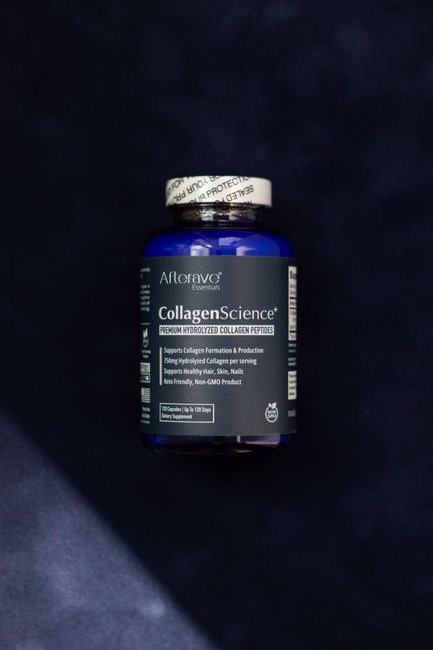
Peptide Power: Unleashing Muscle Growth and Recovery
Peptides, a transformative group of molecules, are redefining the landscape of muscle growth and recovery in the fitness and bodybuilding industries. These small yet potent proteins are not just buzzwords but crucial tools for athletes and fitness enthusiasts striving to enhance their physical performance and recovery processes. In this comprehensive guide, we will delve into the unique benefits of peptides, how they foster muscle growth and recovery, and answer some common questions surrounding their use.
Understanding Peptides and Their Importance
Peptides are short chains of amino acids, the building blocks of proteins, which are essential for the myriad functions of the body, including tissue repair and muscle growth. Unlike larger protein compounds, peptides can be more easily absorbed by the body, ensuring quicker and more effective results.
The functionality of peptides in muscle repair and growth is often overshadowed by more common supplements like whey protein and creatine. However, the targeted nature of peptides can potentially offer more specialized and efficient benefits, particularly in muscle synthesis and injury recovery.
How Peptides Enhance Muscle Growth
The role of peptides in muscle growth is significantly tied to their ability to stimulate the release of human growth hormone (HGH) and other critical growth factors. This hormone is pivotal for muscle and tissue growth, repair, and overall cell regeneration. Peptides such as CJC-1295 and Ipamorelin, among others, have shown considerable promise in boosting the body’s natural production of HGH, thereby enhancing muscle mass and decreasing body fat.
Moreover, specific peptides, like the popular BPC-157 or TB-500, are renowned for their healing properties. They help improve the rate of muscle and tendon recovery after injuries or intense workouts, thus allowing for a quicker return to training regimes and improved physical performance.
Optimizing Recovery with Peptides
Recovery is just as crucial as active training in any physical exercise regimen. Peptides contribute significantly to this aspect by reducing inflammation and enhancing the muscle’s repair processes. For instance, the peptide Thymosin Beta 4 not only supports muscle recovery but also plays a role in upregulating proteins that are crucial for cell repair and regeneration.
Additionally, peptides can improve sleep quality—an underrated yet vital component of muscle recovery. Enhanced sleep aids in the adequate secretion of growth hormones, which is critical for muscle repair. Using peptides can help optimize these physiological recovery processes, ensuring that the body rebounds more efficiently post-exercise.
Peptide Supplements: Safety and Considerations
While peptides offer promising benefits, it is essential to approach their use with an informed and cautious perspective. The legality and safety of peptides can vary depending on where you live, and it is crucial to source these compounds from reputable providers. It’s also advisable to consult with a healthcare professional before starting any new supplement regimen.
Users should also be aware of potential side effects. Although peptides are generally well-tolerated, improper dosage or usage can lead to issues such as irritation at injection sites, increased water retention, or more severe health risks.
Integrating Peptides into Your Fitness Routine
Incorporating peptides into your fitness routine should be done thoughtfully and strategically. Begin by identifying specific fitness goals, whether it’s improving muscle mass, enhancing recovery, or both. Quantify your goals to monitor progress and adjust dosages as necessary under professional guidance.
Diet and exercise will significantly influence the effectiveness of peptides. Maintaining a balanced diet rich in various nutrients will complement the physiological enhancements facilitated by peptides. Likewise, an appropriate exercise regimen that includes a combination of strength training, cardio, and sufficient rest periods will pave the way for optimal results from peptide supplementation.
Answering Common Questions About Peptides
Are Peptides Legal?
The legality of peptides can vary. In some countries, peptides are available by prescription only, while in others, they may be more freely available. It’s essential to research and adhere to local laws regarding peptide use.
How Soon Can Results from Peptides be Seen?
The timeframe for seeing results from peptide use can vary depending on the type of peptide, the user’s diet, exercise routine, and overall health. Generally, some benefits like improved energy levels and better sleep quality can be noticed within a few weeks, while more significant muscle growth and recovery improvements might take longer.
Can Peptides Replace Other Supplements?
While peptides can be powerful, they should not necessarily replace other supplements. Instead, peptides can be used in conjunction with other well-established supplements like creatine, beta-alanine, and protein powders to maximize workout results and recovery.
Conclusion
Peptides hold substantial promise in the realms of muscle growth and recovery. Their ability to facilitate quicker recovery times and enhance muscle growth can be a game-changer for many in the fitness community. However, it’s important to approach peptide use intelligently—considering safety, legality, and the synergistic effects of a comprehensive diet and exercise plan. With the right approach, peptide supplementation can be a valuable addition to your fitness regimen, unlocking new potential in your workouts and recovery.
To harness the full potential of peptide power, start by consulting with a healthcare professional, setting clear goals, and ensuring a balanced approach to diet and fitness. Unleash your muscle growth and recovery potential responsibly and effectively with the targeted power of peptides.